
Recovery from Sports Injury and the M.E.A.T. Method
What’s the best way to recover from a muscular injury?
In my last blog post, I talked about recovering after a hard workout. In this post, I’m going to discuss what you can do to recover from a grade 1 athletic injury. Recovery from a sports injury can be a challenging process, but I’m here to give you the most effective way to deal with an athletic injury.
This blog post goes hand-in-hand with my BEST EXERCISES to Fix a Sprained Ankle video—be sure to check it out!
Not sure what your body actually needs after an injury?
If you’re trying to recover but don’t want to end up back in the same cycle, let’s figure out your next step. Schedule an Initial Consult
INJURY RECOVERY
It’s time to discuss the type of recovery we all hope that we never have to do: recovery from an injury. Injuries are never fun. They are something we all hope we never go through. But sooner or later, it happens to the best of us!
Whether it’s pushing too hard in the gym, rolling an ankle while hiking, or even a
gradual injury from repetitive movements—chances are that you will experience an athletic injury sometime during your life. And the results of an injury can be debilitating. Pain, compensation patterns, a reduced range of motion, loss of strength—it’s always a challenge to adapt and recover.
Injury recovery is often a long process. Our bodies already need time and energy to regenerate and repair from our everyday activities. But when we are injured, our bodies must now go into overdrive to repair and rebuild whatever is injured. Our bodies are good at healing themselves, but we can take steps to support the healing process. By taking the right approach, we can come back from an injury faster and stronger.
R.I.C.E. VERSUS M.E.A.T.
Now I’m sure we’ve all heard of R.I.C.E.: Rest, Ice, Compression, Elevation.
It was the go-to approach for acute injuries for decades, but we now know it’s not optimal.
Recent research shows that M.E.A.T. is the way to go. M.E.A.T. stands for Movement, Exercise, Analgesic, and Taping. This method is much more effective for treating a sprained ankle.
Active or Passive Recovery?
The key difference between R.I.C.E. and M.E.A.T. is active vs. passive recovery. While R.I.C.E. focuses on resting and remaining static, M.E.A.T. focuses on keeping the body doing what it’s designed to do: move. M.E.A.T. is most effective at dealing with injuries where the muscle(s) have been overstretched and strained. This type of injury causes mild damage to muscle fibers (such as a grade 1 ankle sprain.
By being proactive, you can help reduce recovery time and prevent future injury. My goal is to help with that process. I’m here to show how you can be active in your recovery to improve recovery time while maintaining strength. The following techniques can help you get back to 100% quickly and safely by using movement as medicine.
First, we must address the injury to heal ourselves. Second, we must look at what caused the injury in the first place. Was it a cruel twist of fate? Or is there something wrong with how we are moving? Was there a muscle imbalance? Was our form incorrect? Is our posture FUBAR? Healing from an injury is all well and good, but if we don’t address the root cause, it opens the door to future injuries. We must address how we move to ensure we stay injury-free.
NOTE: The method of recovery you use depends on the type and severity of the injury. Always consult your doctor before starting any treatment or recovery protocol.
USING M.E.A.T. FOR INJURY RECOVERY
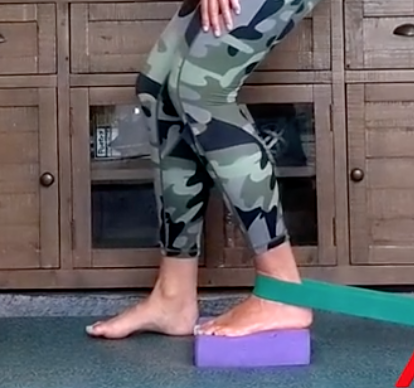
MICRO-MOVEMENTS AND EXERCISE
It’s normal to want to rest and avoid movement after an injury. After all, the R.I.C.E. method has been the go-to for decades. While rest is necessary in some cases, it isn’t optimal for most muscular injuries. When using R.I.C.E to recover from an injury, the injured tissues can remain weakened, leaving them prone to re-injury. By using M.E.A.T., we can help avoid that. With micro-movements and exercise, injured tissues recover faster and stronger.
Research shows that introducing movement 3–5 days after injury can help you recover faster and maintain strength. This works through a process called mechanotransduction—where movement signals the body to repair and rebuild tissue more effectively. A similar study published in 2007 also showed that exercise after a muscular injury improves recovery. It positively affects the cellular healing and repair of injured tissues.
Instead of jumping straight back into full workouts, the focus should be on progression:
Start with micro-movements to restore control without increasing pain
Gradually introduce low-load exercise to rebuild strength
Progress based on how your body responds
This is where most people go wrong—they either do too little and stay weak, or do too much too soon and re-injure themselves.
The goal isn’t just to heal—it’s to come back stronger and more resilient.
Our Integrated Movement Method uses this progression to help clients rebuild control first, then strength—so they don’t end up back in the same cycle. If you feel like you’re doing the “right” exercises but still not seeing progress, it may be a control issue—not just a strength issue.
Athletic Massage for Injury Recovery
Athletic massage can also be effective for dealing with an injury. While the movements your body makes during a massage are initiated by the massage therapist rather than your body, they're movements nonetheless. Massage can lengthen, shorten, and manipulate your muscles and fibers in ways that aren’t achievable through movement alone. It helps promote healing in our bodies. Athletic massage can also enhance the exercises and movements you are doing as part of your recovery. It manipulates your body to promote balance, reduce pain, and improve stability, thus improving recovery.
ANALGESICS
Managing Pain and Inflammation
After an injury, the body’s first line of response to promote healing is to trigger inflammation. The body rushes fluids and nutrients to the injured area to ensure it has the resources it needs to address the problem at hand. That being said, sometimes our bodies can cause more harm than good if inflammation is out of control. Excessive inflammation can cause the lymphatic vessels to compress. These vessels are key to healing and maintaining bodily functions. When compressed, they can’t effectively deliver oxygen and nutrients to the injured area. Analgesics help manage both pain and inflammation.
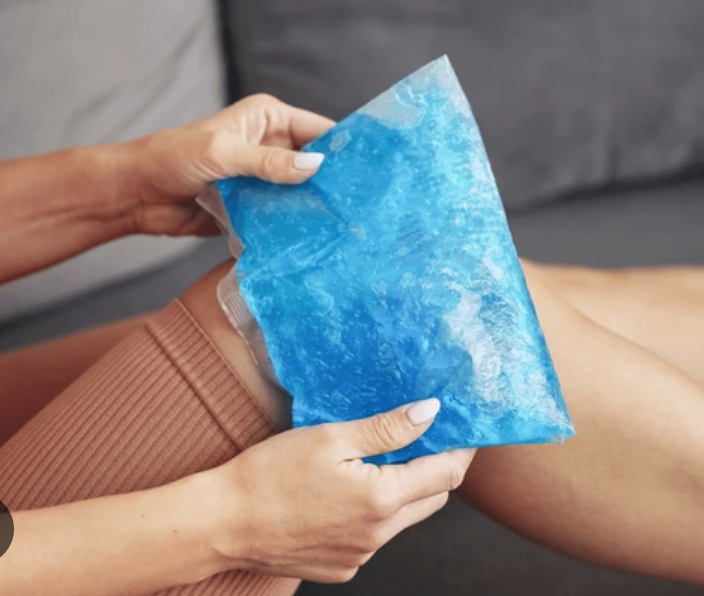
Using Ice
Many people use ice or cold packs after an injury. While ice is not an analgesic itself, it does have an analgesic effect. The cold temperature of ice dulls pain by reducing inflammation and slowing pain signals to the brain. Studies have shown that if you do use ice for swelling and pain, it should be used only for 24-48 hours following the initial injury. Also, remember never to apply ice or cold packs directly to the skin—wrap them in a soft towel or cloth.
NSAIDs
Non-steroidal anti-inflammatory drugs (NSAIDs), such as aspirin, can also be used. These drugs both reduce pain and limit inflammation. I prefer using a topical salve for reducing pain. A guideline published in Annals of Internal Medicine in 2020 recommends using a topical NSAID. These topical treatments often include menthol to provide a cooling sensation that helps soothe pain. They are fast-acting and can be applied locally to the injured area. I often use Ambery Gardens Deep Rub or Muscle Recovery salves on myself and my clients, and it works fantastically. I know, it’s technically not an analgesic, but I’ve found it works great.
Athletic Taping
Athletic taping also helps the healing process by gently lifting the skin from the tissues below. This gentle lifting reduces internal pressure, improving blood and lymphatic flow. This helps reduce swelling/inflammation while facilitating nutrient delivery. More on taping below!
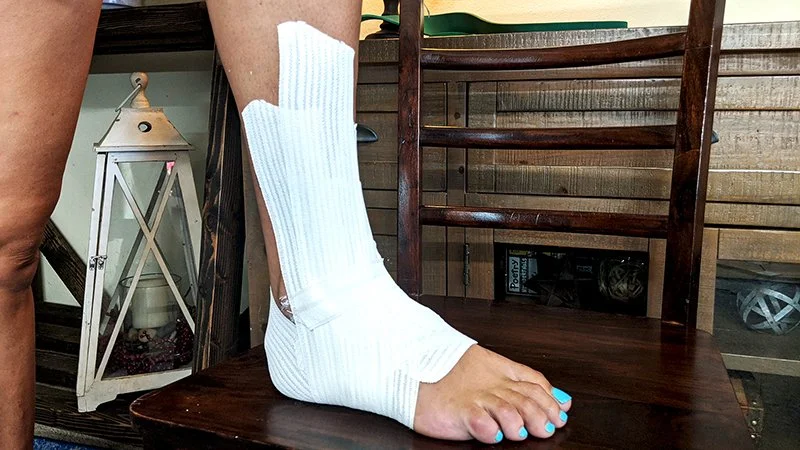
TAPING
Support the body and aid injury recovery.
Athletic taping is a specialized technique that uses tape or straps to support and promote healthy movement in the body. Some of the benefits of taping include:
Management of inflammation
Stabilizing bodily structures while still allowing for micro-movements (movement is key to recovery!)
Pain reduction and management
Stronger injury recovery, less prone to re-injury
Taping is akin to giving yourself a localized exoskeleton. It can stabilize and support your body while still allowing for micro-movements. There are many different types of tape and taping techniques. Micro-movements are gentle, small ranges of motion you do for short periods of time. If you are in pain, doing micro-movements can help release stiffness and retrain your motor control in a non-painful way. Some techniques can be done at home, but you will get the most benefit when a professional tapes you. There are specific techniques for many types of injuries. This includes strains, sprains, plantar fasciitis, tennis elbow, bursitis, spasms, and joint instabilities.
It’s best to have a professional apply the tape about 24 hours after the injury. While early taping is best, some taping can still be beneficial months after an injury, such as supporting and stabilizing the injured area.
When athletic tape is applied (correctly) to the skin over the injured area, it activates specialized nerve endings in the skin. These nerve endings send signals to our brain to detect motion and joint position. When these signals reach the spinal cord, they can actually reduce and inhibit the pain signals from the injured area. The end effect is reduced pain. This is the Gate Control Theory of pain control. The nerve signals initiated by the tape on the skin “close the gate” on pain signals. Taping can significantly reduce pain and aid your recovery.
DEALING WITH INJURY RECOVERY
While there are many different ways to recover from an injury, it’s important to know which one is most effective for the type of injury you are dealing with. Hopefully, this blog post has given you some insight into how to get back to 100% faster and stronger.
If you’re trying to recover from an injury and not end up back in the same cycle, I share practical tips like this on Instagram.
And if you’re ready to figure out what your body actually needs next- Schedule an Initial Consult Below